
Bees are some of the most fascinating creatures in the insect world. Beyond their role in pollination and honey production, they display complex and often amusing social behaviors that reveal just how intelligent and cooperative these little insects really are. From intricate dances to unexpected acts of play, bees have captured the curiosity of scientists and nature lovers alike. In this article, we’ll explore 10 amusing bee social behaviors, each backed by research and observation.
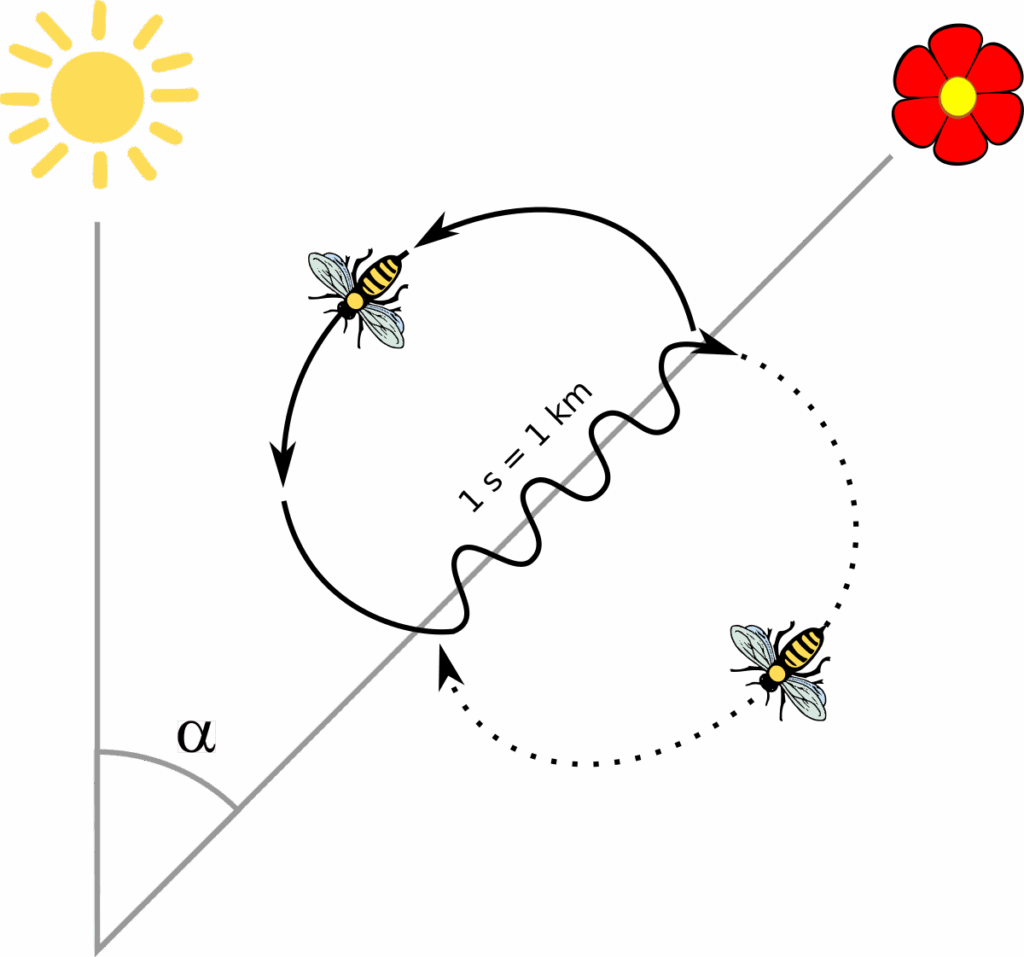
1. Bee Waggle Dance
One of the most famous and amusing bee behaviors is the bee waggle dance. Worker bees use this unique figure-eight dance to tell their hive-mates where to find nectar, pollen, or water. By waggling their abdomen and moving in specific patterns, they communicate both direction and distance of the resource. It’s fascinating that such a tiny insect has developed such an advanced communication system, often compared to human language.
2. Tremble Dance Honeybee
Not as famous as the waggle, the tremble dance honeybee is equally intriguing. When too much nectar is collected and the hive is overwhelmed, bees perform a tremble dance to recruit more workers to help unload nectar. Imagine a bee “shaking” to get others to join in—an amusing yet effective teamwork strategy that keeps the hive efficient and productive.
3. Grooming Dance Bees
Cleanliness is vital in a beehive, and bees have developed the grooming dance as a way to signal their nestmates for help. If a bee is covered in dust, parasites, or pollen, it performs this dance to encourage others to groom it. Watching bees clean each other is not only amusing but also a brilliant example of collective hygiene that protects the entire colony from disease.
4. Bees Ball of Heat Defense
When predators like hornets attack, bees have a surprising and almost comical defense method known as the ball of heat defense. Hundreds of bees swarm around the intruder and vibrate their wing muscles, creating intense heat. The trapped hornet gets literally “cooked” inside this buzzing ball of energy. While it might sound brutal, it’s a remarkable and effective survival tactic.
5. Bees Collect Poo to Repel Hornets
Yes, you read that right—bees collect poo to repel hornets! Asian honeybees were recently observed smearing animal dung around their hive entrances. This unusual but amusing strategy helps deter giant hornets from attacking. It’s a clever example of bees using available resources in creative ways, and it shows that bees are far smarter than many of us might think.
6. Bumblebee Rolling Wooden Balls
Scientists recently discovered that bumblebees engage in play, specifically bumblebee rolling wooden balls. In controlled experiments, bees repeatedly pushed and rolled little wooden balls without any reward. This behavior suggests that bees, like many animals, engage in play for enjoyment. The image of tiny bumblebees rolling balls is both heartwarming and amusing, adding a whole new dimension to our understanding of insect intelligence.
7. Worker Policing Bees
Life in a beehive is highly structured, and worker bees don’t tolerate rebellion. Worker policing bees is the behavior where workers remove or eat eggs laid by other workers, ensuring that only the queen’s offspring survive. It might sound strict, but it maintains order and genetic stability within the colony. The idea of bees acting as “police officers” adds a funny twist to their highly organized society.
8. Hover Behavior Bees
Another amusing trait is hover behavior bees, where males hover in front of flowers or hive entrances in a territorial display. This hovering looks almost like tiny helicopters patrolling the air. While it might appear playful, it actually serves important functions in mating and territory defense. Watching bees hover with precision is fascinating and a reminder of their aerial mastery.
9. Queen Bee Piping and Quacking
When multiple queens exist in a hive, things can get noisy. Queen bee piping and quacking are sounds made by rival queens to communicate their presence before battling for dominance. The piping resembles a high-pitched “toot,” while quacking is a lower sound from queens still in their cells. This quirky “sing-off” between queens is both amusing and dramatic, often ending in a fight for survival.
10. Social Learning Waggle Dance Bees
Finally, one of the most surprising discoveries in bee research is that the social learning waggle dance bees exhibit shows cultural transmission. Young bees learn the waggle dance from older, experienced workers—proving that bees don’t just inherit instincts but also learn socially. This makes them one of the few non-human species with culturally transmitted behaviors, an amusing and impressive fact about their intelligence.
Why These Amusing Bee Behaviors Matter
While these amusing bee social behaviors are fun to read about, they also highlight the complexity of bee societies. Bees aren’t just mindless pollinators; they are intelligent, cooperative creatures capable of learning, playing, defending, and even policing their own kind. Understanding these behaviors helps researchers uncover more about animal intelligence and strengthens our appreciation for these vital pollinators.
From the bee waggle dance to bumblebee rolling wooden balls, every quirky act shows us that bees are full of surprises. These discoveries remind us how important it is to protect bees and their habitats, ensuring that future generations can continue to be amazed by their remarkable and amusing ways.
Conclusion
Bees are much more than honey-makers. Their world is full of funny, clever, and surprising behaviors that reflect complex communication, teamwork, and intelligence. By exploring these 10 amusing bee social behaviors, we gain a new appreciation for these tiny insects that play such a huge role in our ecosystem.
So, next time you see a bee buzzing around, remember—there might be a whole world of amusing behavior happening just out of sight in the hive!